Filtered by: Residential Proxy · 38 results · Clear

How to Use Proxy IPs for LinkedIn B2B Market Research: A Practical Guide
LinkedIn is a valuable source of public business information for companies conducting overseas B2B market research. Businesses can use it to analyze target companies, understand industry trends, identify potential partners, and evaluate regional market opportunities. Proxy IPs can support region-specific website access and cross-regional research workflows when configured appropriately. Choosing between dynamic residential proxies, ISP proxies, and unlimited proxy plans depends on factors such as geographic coverage, session duration, bandwidth requirements, and budget. However, proxy services do not guarantee access to every page or replace reliable data verification, sound research methods, and compliance with platform rules.
 13 min read
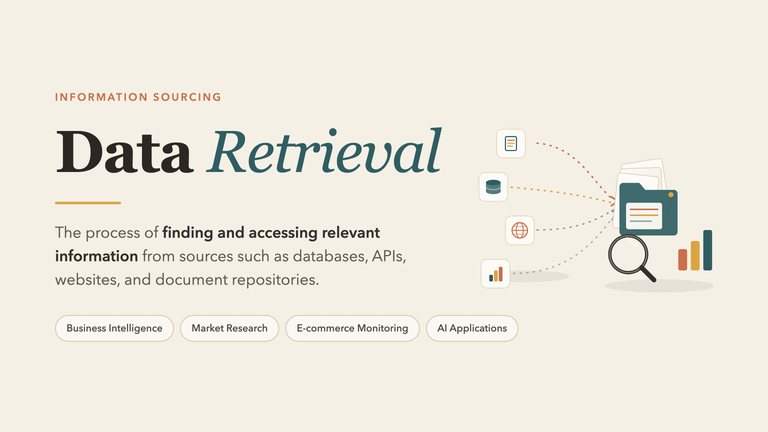
Data Retrieval Explained: Methods, Technologies, and Best Practices for Modern Businesses
Data retrieval is the process of finding and accessing relevant information from sources such as databases, APIs, websites, and document repositories. It plays a critical role in business intelligence, market research, e-commerce monitoring, and AI applications.
18 min read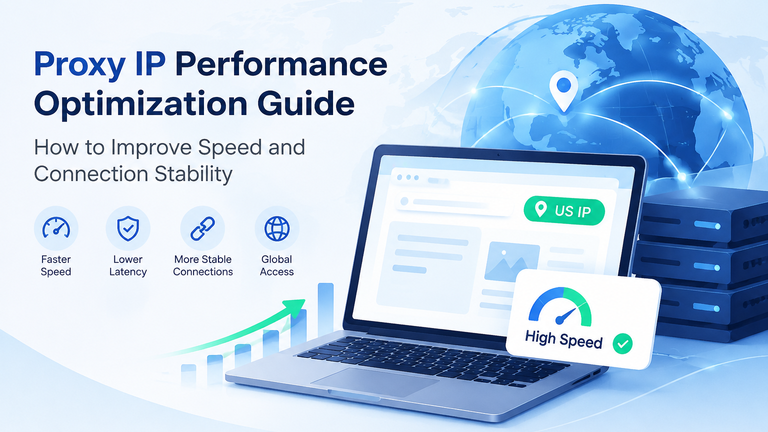
Proxy IP Performance Optimization Guide: How to Improve Speed and Connection Stability
The speed and stability of a proxy IP directly affect the performance of tasks such as web scraping, global market research, ad verification, and overseas business operations. Slow proxy connections can be caused by various factors, including server location, proxy type, network quality, server load, and request patterns.
6 min read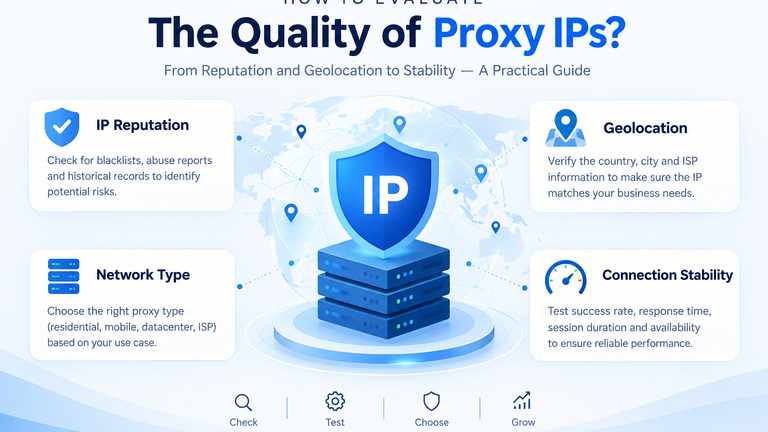
How to Evaluate Proxy IP Quality: A Practical Guide to Reputation, Location, and Reliability
Proxy IP quality depends on more than reputation scores. Learn how to assess IP history, network type, geographic accuracy, connection stability, and real-world performance to choose proxies that fit your business needs.
14 min read
What Is Technographic Data? How Businesses Can Turn Technology Signals Into Market Insights
Technographic data reveals the technologies businesses use, from CRM and analytics platforms to e-commerce and cloud services. This guide explains how technographic data is collected, where it can be used, and how residential proxies can support reliable, multi-region web data collection.
9 min read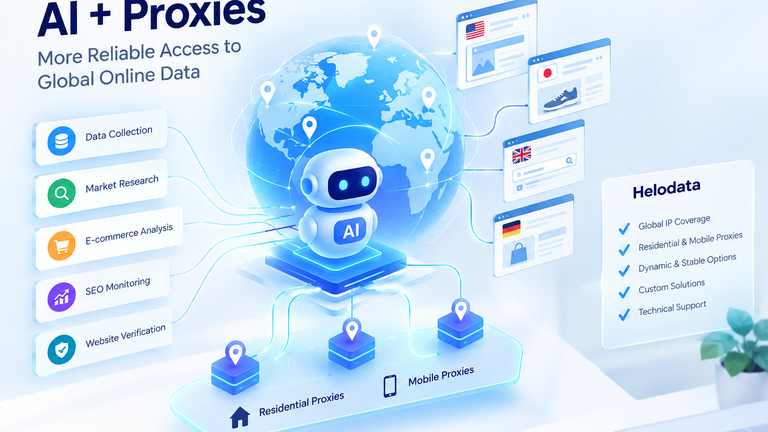
AI Automation and Proxy Networks: Building More Reliable Global Workflows
AI automation depends on more than intelligent models—it also needs reliable access to global online data. Learn how residential and mobile proxies can support AI-powered data collection, market research, e-commerce analysis, SEO monitoring, and regional website verification.
10 min read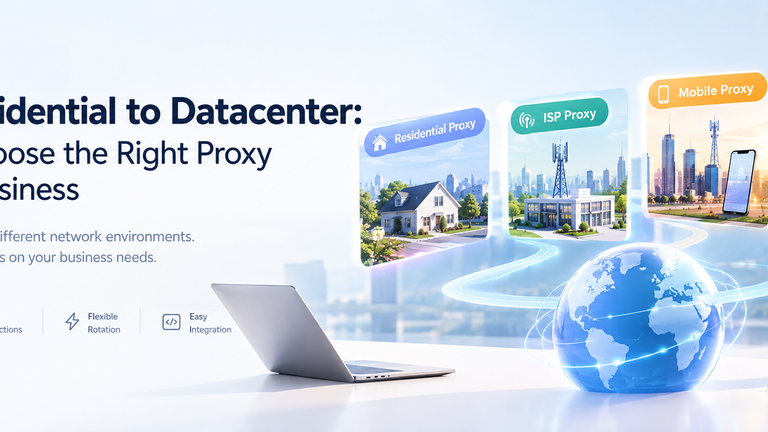
From Residential to Datacenter: How to Choose the Right Proxy for Your Business
Residential, datacenter, ISP, and mobile proxies serve different business needs. Learn how to choose the right proxy based on network type, location, IP rotation, stability, and real-world performance.
9 min read
Real Estate Big Data: How Residential Proxies Support Global Data Collection and Market Research
Real estate is becoming increasingly data-driven, with property prices, rental listings, location data, demographics, and market trends helping businesses make better-informed decisions. For teams collecting real estate data across different countries and regions, residential proxies can provide flexible, location-based IP access for public web data collection and market research. Helodata offers residential and rotating residential proxies that support global data access, helping businesses build more flexible workflows for real estate research, web scraping, and market monitoring.
13 min read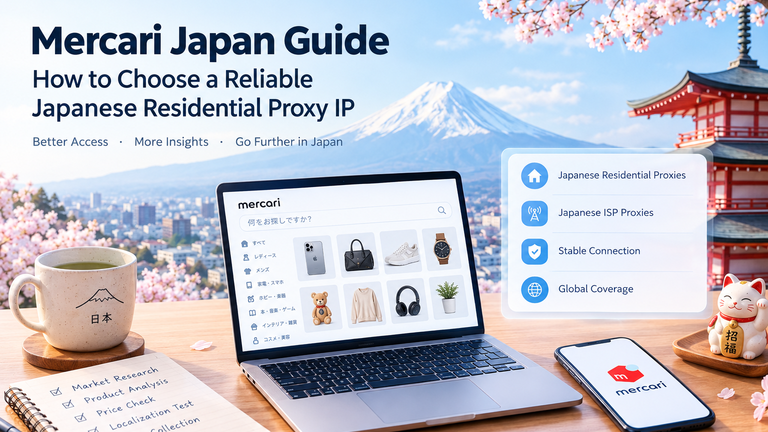
Mercari Japan Guide: How to Choose a Reliable Japanese Residential Proxy IP
Learn how to choose and use Japanese residential and ISP proxies for Mercari, e-commerce research, SEO, and localization testing, and see how Helodata can support Japan-focused network access.
9 min read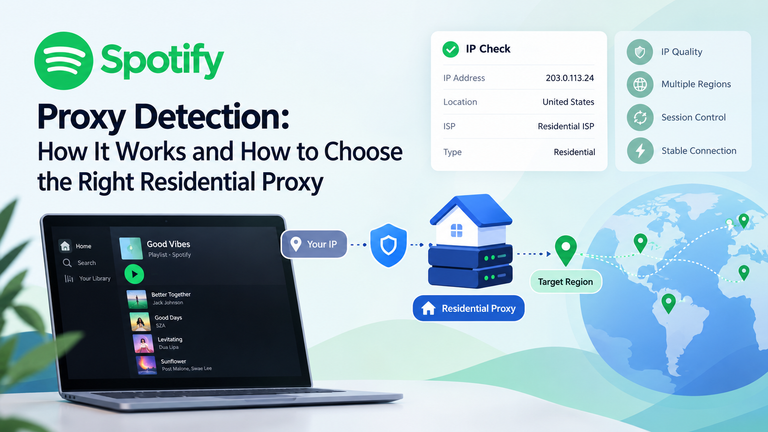
Spotify Proxy Detection: How It Works and How to Choose the Right Residential Proxy
Spotify may evaluate IP reputation, network ownership, geographic consistency, and connection behavior when assessing proxy connections. Residential proxies can offer consumer ISP-associated IPs, but they are not automatically undetectable or guaranteed to work. Choosing a reliable provider, selecting the right location, using suitable session settings, and testing the connection can help create a more consistent network environment.
11 min read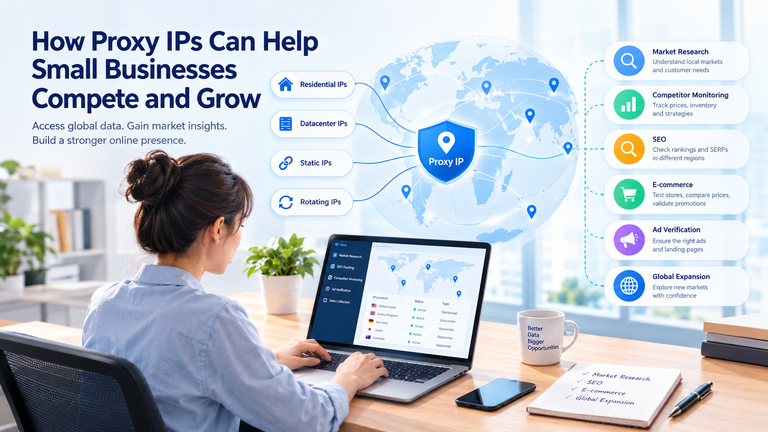
How Proxy IPs Can Help Small Businesses Compete and Grow
Proxy IP services can help small businesses access localized information, collect market data, monitor competitors, verify advertisements, and support cross-border operations. By choosing the right proxy type and using it responsibly, businesses can gain valuable market insights and improve operational flexibility without building complex network infrastructure.
18 min read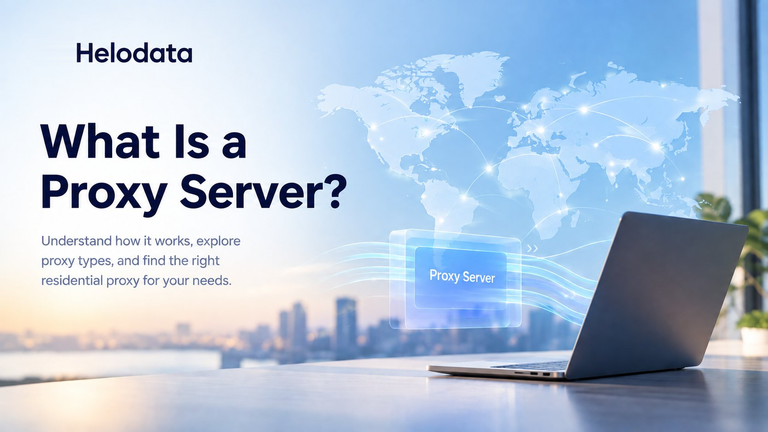
What Is a Proxy Server? How It Works, Proxy Types, and How to Choose the Right Proxy
Learn how proxy servers work, compare residential, datacenter, ISP, and mobile proxies, and understand how rotation, sticky sessions, and geographic targeting support modern web, data, and AI workflows.
11 min read